










Personalized Marketing: A Key to Restaurant Industry Growth
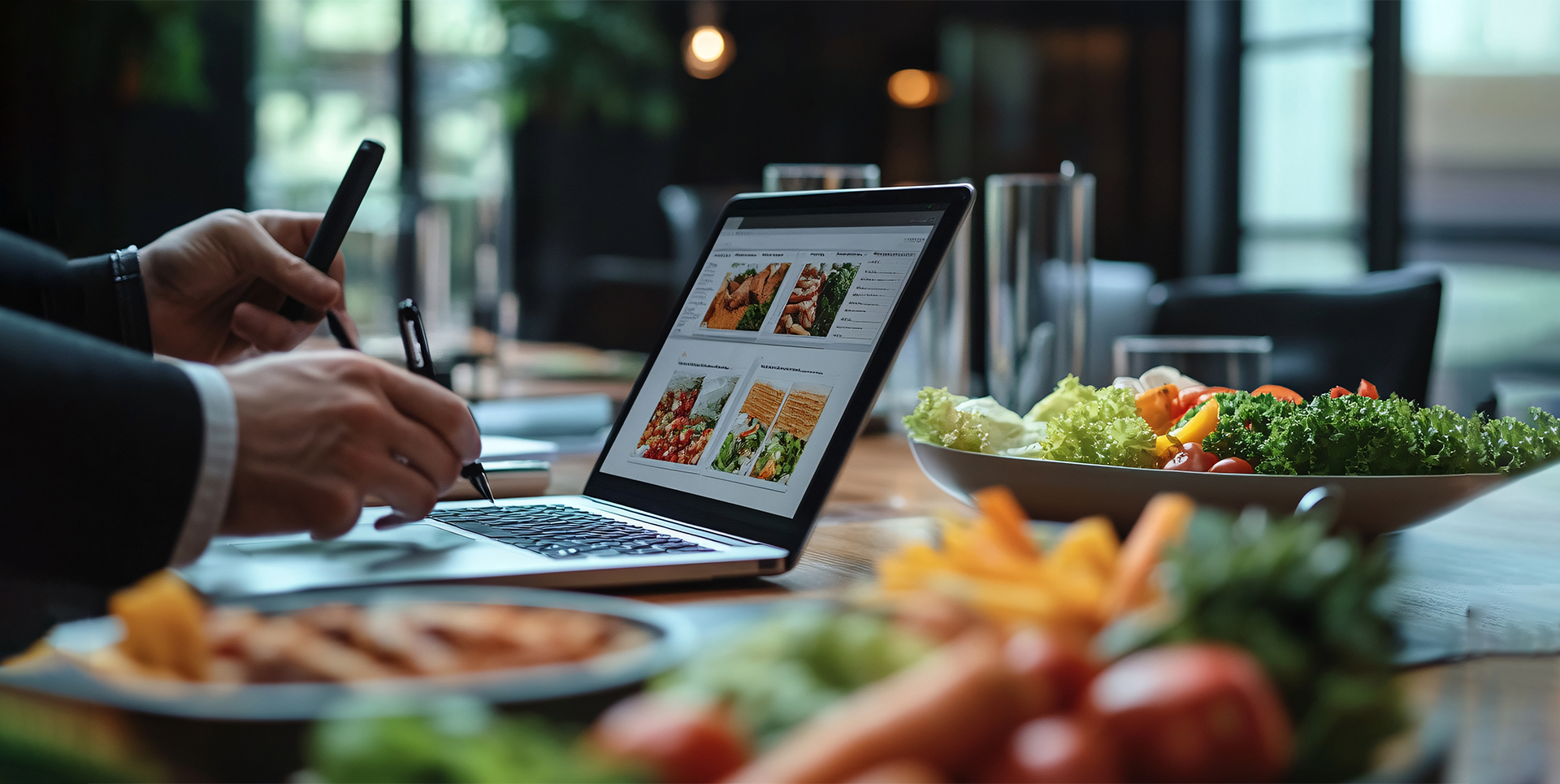
As marketing budgets of the restaurant industry expand from about 8% to nearly 20% the focus is shifting from mere creativity to consumer relevance, according to industry experts.
In an increasingly competitive restaurant environment, offering excellent food and service alone is no longer enough. With the rise of digital-savvy generations like Gen Z, restaurants are now under pressure to foster genuine connections with their customers. Personalized marketing has become a key strategy, enabling restaurants to move away from generic approaches and engage with individuals on a deeper level.
Traditional marketing methods, often unable to capture attention effectively, are being replaced by personalized campaigns that are essential for survival in today’s crowded marketplace. By leveraging customer data and tailoring interactions to individual preferences, restaurants can boost loyalty, increase engagement, and drive growth.
In a landscape where competition is fierce and customer footfall can be unpredictable, personalized marketing allows restaurants to cut through the noise. Instead of offering one-size-fits-all messages, businesses are now designing custom experiences that resonate with the unique tastes and preferences of their patrons.
This approach appeals particularly to Gen Z, a demographic that values authenticity and seeks personalized experiences. For restaurants, personalizing marketing efforts isn’t just a trend it’s necessary to foster stronger customer relationships and maximize returns on every marketing rupee spent.
As marketing budgets increase in the restaurant sector, the focus has broadened from mere creativity to crafting experiences that are timely and resonate deeply with customer preferences. By concentrating on personalization, restaurants ensure each marketing investment strengthens customer bonds and enhances loyalty.
A few local examples illustrate how personalized marketing is evolving. Campaigns featuring influencers, like one at a popular Karachi restaurant, have successfully highlighted the restaurant’s unique dining experience. By using live videos and engaging content, these campaigns have driven increased foot traffic and strengthened audience connections.
Other restaurants have embraced seasonal and cultural moments, attracting diners through relevant and timely campaigns. Examples include inviting local celebrities to sample new offerings, further enhancing customer engagement.
In the increasingly crowded restaurant market, cutting through the noise is challenging, but personalized marketing provides a solution. By incorporating relatable and creative elements into their campaigns, restaurants can differentiate themselves. Success stories include “newsjacking,” aligning marketing with current events and creating themed experiences that resonate with customers’ interests.
Collaborations with local artists or hosting events that reflect their clientele’s passions are strategies that have worked well for restaurants to carve out a unique identity. The focus is on creating memorable, data-driven experiences that drive both engagement and profitability.
In the realm of personalized marketing, customer data is essential. By analyzing preferences, restaurants can craft campaigns that strike the right chord. Tapping into seasonal or trending cultural moments ensures relevance, while showing customers that their interests are understood and valued. This combination of responsiveness and relevance fosters deeper connections
Historically, personalized service meant remembering a regular customer’s favorite meal, but today, modern technology allows restaurants to take personalization to new heights. With tools like artificial intelligence and social listening, restaurants can analyze customer behavior and preferences more effectively. Social media interactions and feedback allow for the creation of tailored offers and services, blending personal service with technological efficiency. This means that customers feel valued, while restaurants deliver consistent personalized experiences at scale.
As the restaurant industry evolves, personalized marketing will remain an essential strategy for those looking to succeed. The ability to connect with customers on an individual level through data-driven insights offers a competitive advantage that extends beyond good food.
Restaurants that invest in understanding their patrons and delivering personalized experiences are better positioned to meet modern market challenges.
Personalization is not just a passing trend; it’s shaping the future of the dining experience. By embracing data-driven strategies and maintaining a human touch, restaurants can build long-lasting connections that keep customers coming back.