



Wednesday, May 13 2026

Industries Pay 13.5 Cents/kWh More Than Twice India & U.S.

Pakistan’s industrial power tariff has reached 13.5 cents per kWh, making it more than twice as expensive as in India (6.3 cents) and China (7.7 cents). This growing cost disparity is undermining the country’s export competitiveness and pushing manufacturers to the brink.

Global Power Price Comparison

  • United States & India: 6.3 cents/kWh
  • China: 7.7 cents/kWh
  • European Union: 11.5 cents/kWh (17% lower than Pakistan)
  • Pakistan: 13.5 cents/kWh (PKR 47/kWh after taxes & surcharges)

Why is Electricity Cheaper in Other Countries?

  • Efficient Energy Mix: Countries like Bangladesh balance natural gas, coal, and hydro energy, ensuring cost stability.
  • Government Subsidies: Competitive nations support industries with energy subsidies.
  • Better Power Distribution: Lower transmission losses mean cheaper electricity for businesses.

IMF & Policy Pressures: The Root Causes of Rising Costs

  • IMF Reforms: Pakistan has removed energy subsidies, raising costs for industries.
  • Circular Debt Crisis: Inefficient power distribution and rising debts pass extra costs to consumers.
  • Currency Depreciation: Unlike India and Bangladesh, Pakistan’s unstable rupee makes imported energy costlier.

Impact on Pakistan’s Industrial Competitiveness

  • Exporters struggle as higher power costs make local products less competitive.
  • Profitability is at risk, forcing manufacturers to cut production or pass costs onto consumers.
  • Rising electricity costs make imports cheaper, reducing demand for local goods.

Solutions to Reduce Industrial Power Costs

  • Energy Sector Reform: Reduce distribution inefficiencies and circular debt.
  • Targeted Subsidies: Support key industries to maintain export competitiveness.
  • Tax Policy Overhaul: Expand the tax base to ensure fairer revenue distribution.
  • Economic Stability: Address currency fluctuations to reduce energy import costs.

Without urgent energy reforms, Pakistan’s industrial sector risks falling behind global competitors. The government must act swiftly to ensure a sustainable and competitive energy landscape.

Previous

PBC Urges Policy Stability to Secure Export Growth

Next

Meta’s ‘Community Notes’ Brings New Content Oversight

Leave a Reply

Your email address will not be published. Required fields are marked *

Check Also

WIDGETS ON SIDE PANEL

Don’t Miss

Branding During The Time of Conflict

Kashif Hafeez

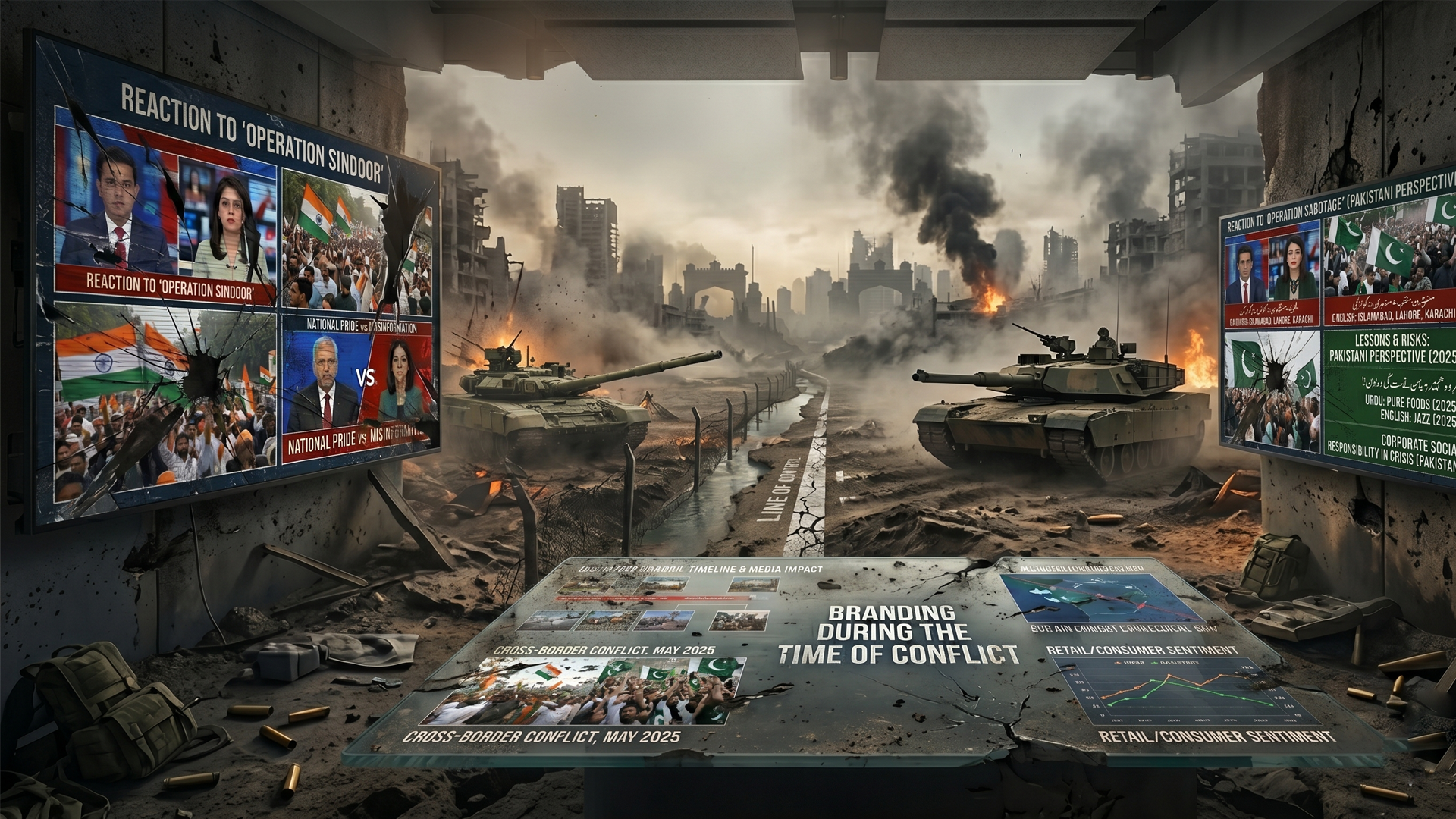
It’s a long historical academic debate about why so many marketing and military terminologies resemble and are inter-changeably used e.g. Brand warfare, goals, targets, objectives, positioning, impact, action, intelligence, strategy, tactical moves, attack strategies (frontal, flank, guerrilla, encirclement & bypass), position strategies (position strategy, contraction strategy, counter-offensive strategy, preemptive defensive strategy, and mobile defensive strategy), […]

SILENCE In PR Crisis Is Not A Strategy. It’s A Brand Suicide.

Editorial

There is an unspoken playbook in Pakistani brand management that everyone follows without writing it down. When a crisis hits – like a labor issue, product failure, social media backlash, or an employee speaking out – the usual reaction is to say nothing. They call legal teams and PR agencies, try to kill the story, […]

Pakistan Opens Door to Crypto, With Both Eyes Open

Business Desk

For years, Pakistan’s banking system treated crypto like a contagion. That officially changed on April 14, 2026. The State Bank of Pakistan issued BPRD Circular Letter No. 10 of 2026 today, effectively replacing the 2018 blanket prohibition on virtual currencies with a structured, compliance-heavy framework that allows banks to work with licensed crypto companies for […]

Jahan Khwab, Wahan HBL And You Can Actually Believe It

Editorial

HBL is Pakistan’s largest bank by almost every metric that matters: assets, branch network, international presence, and retail penetration. What it has historically struggled with is something that balance sheets cannot measure: emotional relevance. For most of its existence, HBL has communicated as a bank communicates products, rates, reach, and reliability. Competent positioning for an […]

Pakistan’s Brand Loyalty Index Study

M. Ruhayl Rehmani

Pakistan has no official Brand Loyalty Index. No YouGov BrandIndex. No Kantar BrandZ Pakistan edition. No nationally published, annually updated instrument that tells marketers which brands are actually winning repeat purchase, emotional attachment, and switching resistance across the country’s 240 million consumers. What exists instead is a fragmented picture assembled from a Nielsen consumer survey […]

Finmoney

Fintech Groups Compete To Build Global Platforms For Migrant Finance

Web Desk

As remittances approach $1tn annually, digital payment companies are expanding beyond transfers into cross-border financial ecosystems. Global remittances have quietly become one of the largest financial flows in the world. Each year, migrant workers send hundreds of billions of dollars to families and communities across developing economies. According to migration and financial market data, global […]