


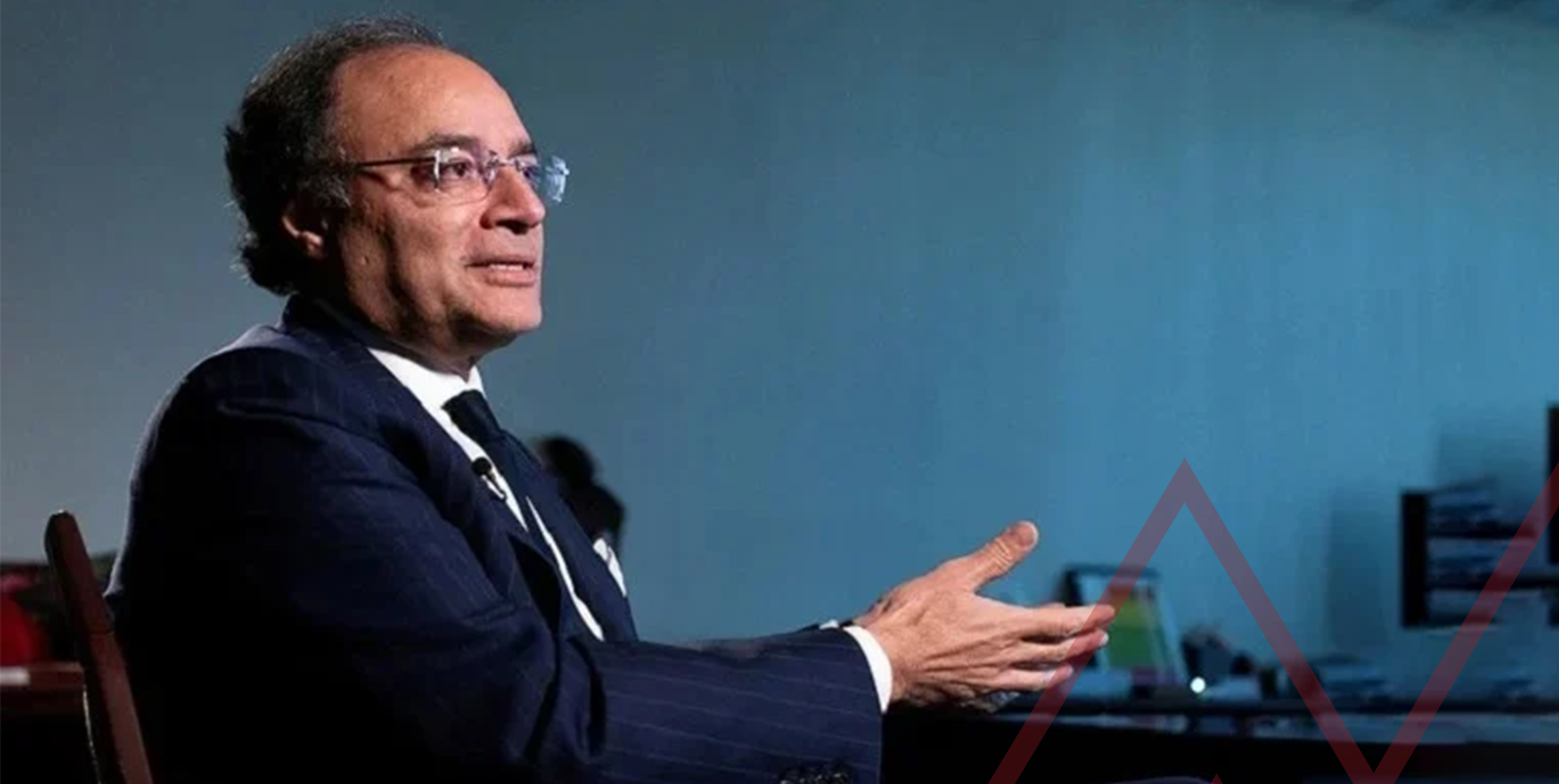
Pakistan’s Finance Minister Faces a Race Against Time to Deliver Economic Reforms
When Muhammad Aurangzeb was appointed Pakistan’s Federal Minister for Finance & Revenue in 2024, his selection was seen as a break from the past a departure from traditional economic policies and entrenched interests. Unlike previous finance ministers tied to political elites, Aurangzeb brought a global financial pedigree, having held senior roles at Citibank, ABN AMRO, RBS, and JP Morgan, along with a transformative tenure at Habib Bank Limited (HBL).
His appointment sparked optimism for bold economic reforms, but the results remain mixed one year into his tenure. While Aurangzeb has embraced the IMF program and advocated for structural reforms, he has yet to translate his vision into concrete policy execution.
Reform Agenda: A Vision Yet to Be Implemented
Aurangzeb’s economic roadmap is ambitious and well-structured, focusing on:
- Taxation reforms broadened the tax net instead of overburdening the salaried class.
- Privatization of state-owned enterprises (SOEs) to reduce fiscal burdens.
- Deregulation and energy sector restructuring to enhance efficiency.
- Fiscal decentralization, urging provinces to generate their revenues.
However, despite his rhetoric, Aurangzeb’s first budget as finance minister fell short of expectations. Instead of relieving the heavily taxed formal sector, tax rates soared as high as 45%, while government expenditures and revenue targets increased by 30% contradicting his stated commitment to austerity.
No significant downsizing of bloated government departments has taken place, and the privatization process remains stalled, bogged down by bureaucratic indecision over which SOEs should be classified as “strategic” or “non-strategic.”
Challenges of Political Resistance & Bureaucratic Stalemates
Aurangzeb’s struggles are not just economic but deeply political. His removal from the Cabinet Committee on Privatization suggests resistance from the government. Rather than confronting these challenges head-on, he has chosen diplomatic manoeuvring over confrontation a strategy that risks delaying much-needed reforms.
The political window for reform is closing fast. With Senate elections, judicial appointments, and military leadership transitions on the horizon, economic policymaking could soon take a backseat to political manoeuvring.
Time for Decisive Action
Aurangzeb cannot afford to operate under the illusion that time is on his side. Successful economic reforms in developing economies are typically implemented early in a government’s tenure—before vested interests obstruct progress.
To solidify his legacy, he must:
- Lay out a clear reform blueprint for the 2025-26 fiscal year.
- Launch a national dialogue on privatization, tax reform, and deregulation.
- Build coalitions with the private sector, political stakeholders, and international partners.
- Cut through bureaucratic inertia that slows down economic decision-making.
Aurangzeb’s growing involvement in micromanagement, such as price monitoring committees, is distracting him from critical macroeconomic reforms. Pakistan does not need a finance minister to manage sugar and ghee prices it needs bold economic leadership.
A Defining Moment for Aurangzeb & Pakistan’s Economy
The next 18 months will determine whether Muhammad Aurangzeb is remembered as a visionary reformer or just another technocrat who had the right ideas but failed to act on them.
The stakes are high not just for his legacy, but for Pakistan’s economic survival. The time for diplomatic caution is over Pakistan needs strong, decisive action to break free from economic stagnation.
If Aurangzeb fails to seize this moment, he risks becoming another name in Pakistan’s long history of underwhelming finance ministers and that is a cost the nation cannot afford.