







Tuesday, April 21 2026

In the wake of the COVID-19 pandemic, the traditional office environment has undergone a seismic shift. Remote work, once a niche arrangement, has now become a cornerstone of modern employment. As we move further into 2024, the trends shaping remote work are not only redefining how we work but also challenging long-held norms about productivity, work-life balance, and corporate culture

The Rise of Hybrid Work Models

One of the most significant trends is the widespread acceptance of hybrid work models. Companies are increasingly adopting flexible arrangements that allow employees to split their time between home and the office. This model offers the best of both worlds: the convenience and comfort of working from home, coupled with the collaborative benefits of in-person interactions1.

Employee Preferences and Corporate Adaptations

A staggering 98% of workers have expressed a desire to work remotely at least part of the time. This preference is driving companies to rethink their operational strategies. Many organizations are investing in digital infrastructure to support remote work, ensuring that employees have the tools they need to stay productive and connected, regardless of their location.

Challenges and Opportunities

While remote work offers numerous benefits, it also presents challenges. Issues such as employee burnout, cybersecurity risks, and the need for effective remote management are at the forefront of corporate concerns. Companies are exploring innovative solutions to address these challenges, from implementing robust cybersecurity measures to offering mental health support and flexible working hours.

The Impact on Urban Economies

The shift towards remote work is also having a profound impact on urban economies. With fewer people commuting to city centers, businesses that rely on office workers, such as cafes and retail stores, are experiencing a decline in foot traffic. This trend is prompting urban planners to rethink the future of city spaces, potentially leading to more mixed-use developments that cater to both residential and commercial needs.

Looking Ahead

As we look to the future, it is clear that remote work is here to stay. By 2025, an estimated 32.6 million Americans will be working remotely, representing about 22% of the workforce. This ongoing shift will continue to shape the professional landscape, offering both challenges and opportunities for businesses and employees alike.

The remote work revolution is not just a temporary response to a global crisis but a fundamental transformation of the way we work. As companies and employees navigate this new terrain, the focus will be on creating sustainable, flexible, and inclusive work environments that can adapt to the evolving needs of the modern workforce.


Previous

Gen Z Leads Shift to Social Media for Authentic Reviews

Next

Strategic Growth with Remote Research and Development

About Author

Nizam Khaskheli

The author is a staff member and can be reached at nizam@madzine.pk

Leave a Reply

Your email address will not be published. Required fields are marked *

Check Also

WIDGETS ON SIDE PANEL

Don’t Miss

SILENCE In PR Crisis Is Not A Strategy. It’s A Brand Suicide.

Editorial

There is an unspoken playbook in Pakistani brand management that everyone follows without writing it down. When a crisis hits – like a labor issue, product failure, social media backlash, or an employee speaking out – the usual reaction is to say nothing. They call legal teams and PR agencies, try to kill the story, […]

Pakistan Opens Door to Crypto, With Both Eyes Open

Business Desk

For years, Pakistan’s banking system treated crypto like a contagion. That officially changed on April 14, 2026. The State Bank of Pakistan issued BPRD Circular Letter No. 10 of 2026 today, effectively replacing the 2018 blanket prohibition on virtual currencies with a structured, compliance-heavy framework that allows banks to work with licensed crypto companies for […]

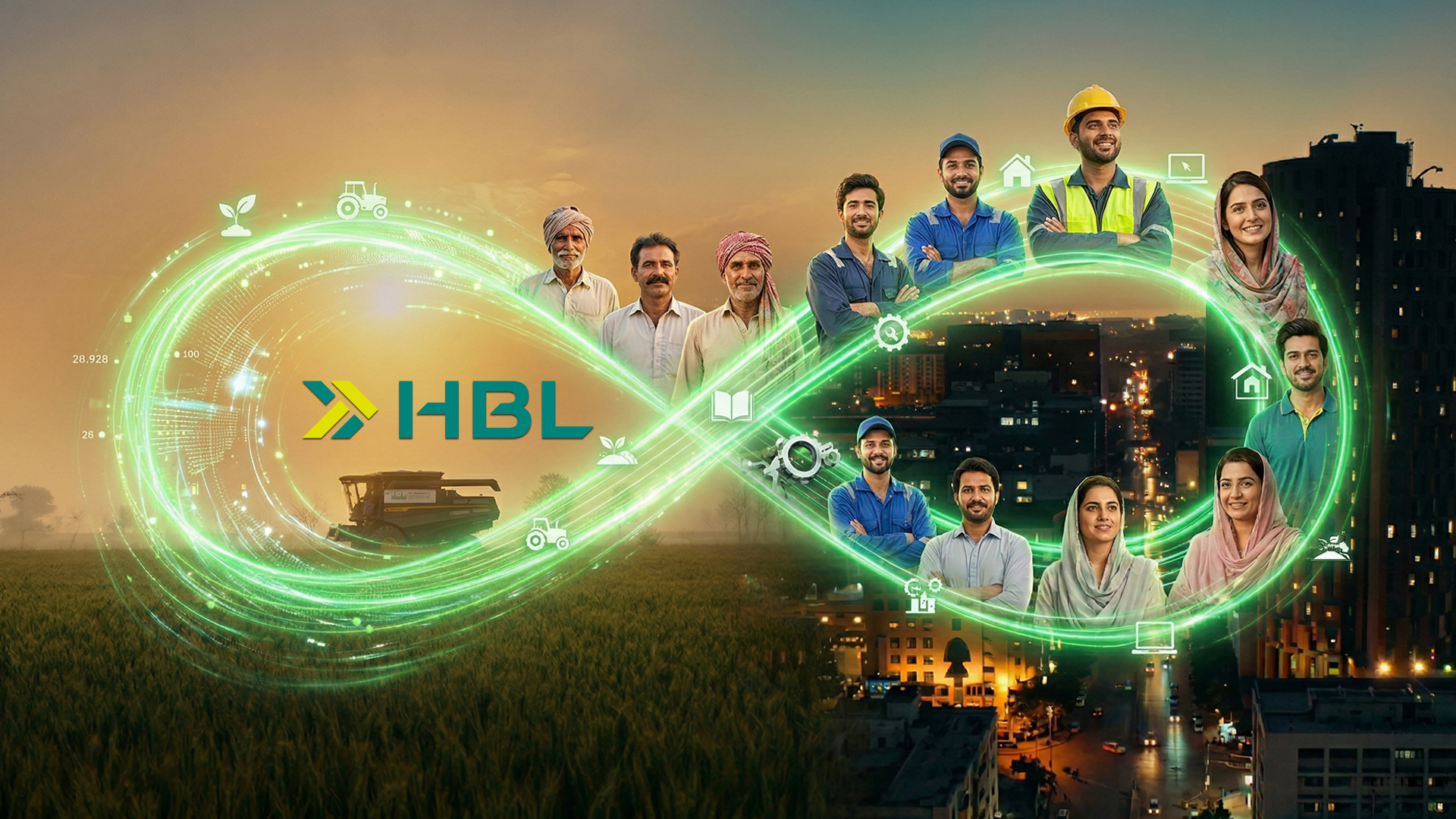
Jahan Khwab, Wahan HBL And You Can Actually Believe It

Editorial

HBL is Pakistan’s largest bank by almost every metric that matters: assets, branch network, international presence, and retail penetration. What it has historically struggled with is something that balance sheets cannot measure: emotional relevance. For most of its existence, HBL has communicated as a bank communicates products, rates, reach, and reliability. Competent positioning for an […]

Pakistan’s Brand Loyalty Index Study

M. Ruhayl Rehmani

Pakistan has no official Brand Loyalty Index. No YouGov BrandIndex. No Kantar BrandZ Pakistan edition. No nationally published, annually updated instrument that tells marketers which brands are actually winning repeat purchase, emotional attachment, and switching resistance across the country’s 240 million consumers. What exists instead is a fragmented picture assembled from a Nielsen consumer survey […]

Finmoney

Fintech Groups Compete To Build Global Platforms For Migrant Finance

Web Desk

As remittances approach $1tn annually, digital payment companies are expanding beyond transfers into cross-border financial ecosystems. Global remittances have quietly become one of the largest financial flows in the world. Each year, migrant workers send hundreds of billions of dollars to families and communities across developing economies. According to migration and financial market data, global […]

Ai image of people celebrating Basant and are happy

Basant in Lahore: Satisfaction, Participation, Spend Survey Report

Kashif Hafeez

The Majority of Lahoris Express Satisfaction with the Punjab Government’s Safety Measures During Basant this year Most Lahore residents expressed satisfaction with the Punjab Government’s safety and security measures implemented during the Basant celebrations, held from 6th February to late into the night on 8th February. According to a telephonic survey conducted by PulseConsultant, around […]