





Friday, May 8 2026

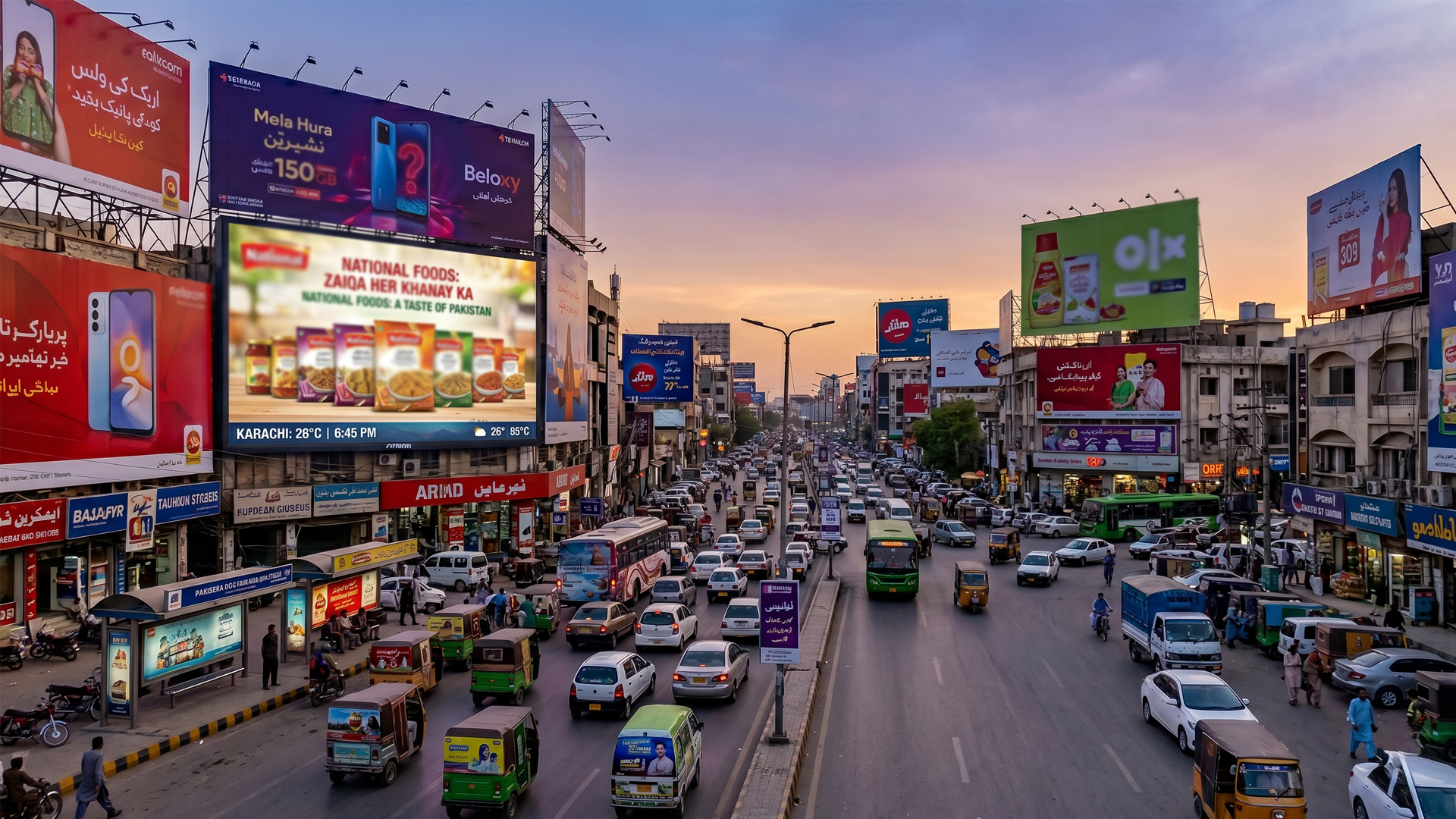
The distinction between digital out-of-home (DOOH) and connected TV (CTV) advertising is becoming increasingly blurred as advertisers invest in small-screen formats at various locations such as gas stations, bars, and transit areas. According to our March 2024 forecast, DOOH ad spending in the US will grow by 11.2% this year, reaching $3.20 billion. This growth highlights the increasing appeal of video and programmatic formats within DOOH, including OOH TV (out-of-home TV).

OOH TV refers to small-screen formats, distinct from larger digital billboards, that consumers engage with when they are not at home. This segment is gaining traction within DOOH advertising due to several key advantages:

  • Inventory Reliability: CTV OOH ads are delivered at specific locations, mitigating the risk of being shown on made-for-advertising sites.
  • Cost-Effectiveness: CTV ads on OOH screens are more affordable. For instance, Bar TV ad startup Taiv offers costs per thousand (CPMs) of around $15, significantly lower than the rates for live sports ads.
  • Contextual Advertising: There is substantial potential for contextual targeting. Ads in a sports bar during a Lions game, for example, could promote Great Lakes tourism, alcohol, or local car dealerships. Similarly, ads on gas station pumps during summer nights might feature cold energy drinks available in the convenience store.
  • Venue-Specific Ads: Bars and venues can display their ads during TV commercial breaks on many of these platforms.

However, OOH TV advertising also presents certain challenges:

  • Limited Scale: Ads are seen by fewer people compared to those served to households across the US, as they are restricted to specific locations.
  • Targeting Constraints: Unlike CTV, OOH TV lacks precise customer targeting.
  • Measurement Challenges: While QR codes can drive post-ad engagement, it is difficult to determine the exact audience in bars, venues, or gas stations unless immediate action is taken.
  • Budget Allocation Ambiguities: It is often unclear whether the budget for these ads should be classified under OOH, CTV, or retail media spending, leading to potential budget allocation debates.
  • Impact on Traditional TV Ads: Ads during live TV events by companies like BarBoards and Taiv reduce linear and CTV ad impressions, benefiting DOOH advertisers but potentially disadvantaging traditional TV advertisers.

Previous

US Media Ad Spending to Surge in 2024's Second Half

Next

Mastering The Market: Essential Tips For New Investors

Leave a Reply

Your email address will not be published. Required fields are marked *

Check Also

WIDGETS ON SIDE PANEL

Don’t Miss

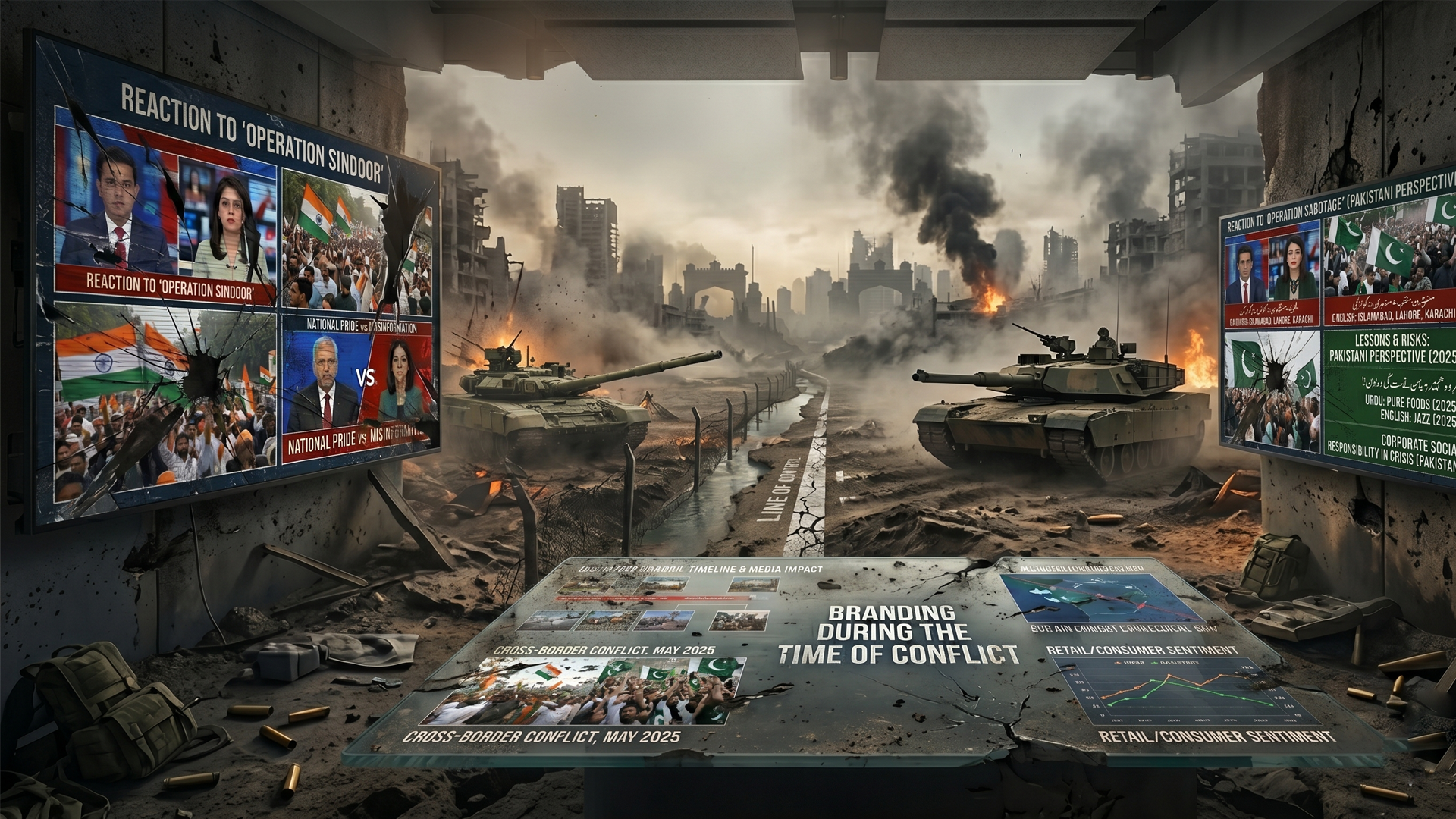
Branding During The Time of Conflict

Kashif Hafeez

It’s a long historical academic debate about why so many marketing and military terminologies resemble and are inter-changeably used e.g. Brand warfare, goals, targets, objectives, positioning, impact, action, intelligence, strategy, tactical moves, attack strategies (frontal, flank, guerrilla, encirclement & bypass), position strategies (position strategy, contraction strategy, counter-offensive strategy, preemptive defensive strategy, and mobile defensive strategy), […]

SILENCE In PR Crisis Is Not A Strategy. It’s A Brand Suicide.

Editorial

There is an unspoken playbook in Pakistani brand management that everyone follows without writing it down. When a crisis hits – like a labor issue, product failure, social media backlash, or an employee speaking out – the usual reaction is to say nothing. They call legal teams and PR agencies, try to kill the story, […]

Pakistan Opens Door to Crypto, With Both Eyes Open

Business Desk

For years, Pakistan’s banking system treated crypto like a contagion. That officially changed on April 14, 2026. The State Bank of Pakistan issued BPRD Circular Letter No. 10 of 2026 today, effectively replacing the 2018 blanket prohibition on virtual currencies with a structured, compliance-heavy framework that allows banks to work with licensed crypto companies for […]

Jahan Khwab, Wahan HBL And You Can Actually Believe It

Editorial

HBL is Pakistan’s largest bank by almost every metric that matters: assets, branch network, international presence, and retail penetration. What it has historically struggled with is something that balance sheets cannot measure: emotional relevance. For most of its existence, HBL has communicated as a bank communicates products, rates, reach, and reliability. Competent positioning for an […]

Pakistan’s Brand Loyalty Index Study

M. Ruhayl Rehmani

Pakistan has no official Brand Loyalty Index. No YouGov BrandIndex. No Kantar BrandZ Pakistan edition. No nationally published, annually updated instrument that tells marketers which brands are actually winning repeat purchase, emotional attachment, and switching resistance across the country’s 240 million consumers. What exists instead is a fragmented picture assembled from a Nielsen consumer survey […]

Finmoney

Fintech Groups Compete To Build Global Platforms For Migrant Finance

Web Desk

As remittances approach $1tn annually, digital payment companies are expanding beyond transfers into cross-border financial ecosystems. Global remittances have quietly become one of the largest financial flows in the world. Each year, migrant workers send hundreds of billions of dollars to families and communities across developing economies. According to migration and financial market data, global […]