















Advanced economies have long been the bedrock of global economic stability and growth. These economies, characterized by high levels of industrialization, sophisticated infrastructure, and substantial income per capita, play a critical role in shaping global economic trends.
As the world navigates through a complex mix of challenges including geopolitical tensions, technological disruption, and demographic shifts advanced markets must adapt to sustain their leadership in the global economy.
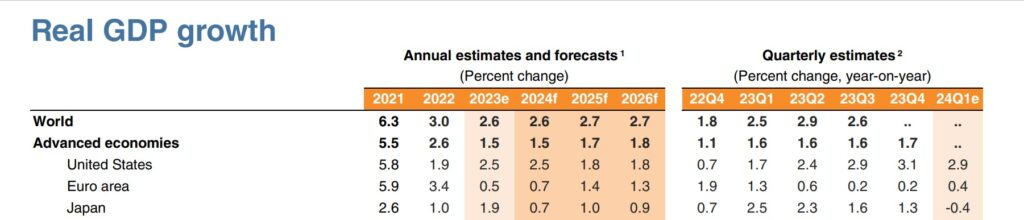
Economic Performance
Over the past decade, advanced economies have experienced varied growth trajectories. After recovering from the global financial crisis of 2008-2009, many of these economies entered a period of moderate growth. The expansion has been fueled by several factors:
- Technological Innovation: Advanced economies, particularly the United States and parts of Europe, have been at the forefront of technological advancements. The rapid development and adoption of digital technologies, such as artificial intelligence, automation, and big data, have spurred productivity growth and opened new avenues for economic expansion.
- Monetary Policies: Central banks in advanced economies have played a crucial role in supporting growth through accommodative monetary policies. Low interest rates and quantitative easing have kept borrowing costs down, encouraging investment and consumer spending.
- Labor Market Dynamics: Strong labor markets have supported domestic consumption, a key driver of growth in advanced economies. Unemployment rates in countries like Germany, the United States, and Japan have reached multi-decade lows, boosting household income and spending power.
Challenges Facing Advanced Economies
- Aging Populations: Demographic trends in advanced economies are increasingly characterized by aging populations. Countries like Japan and Italy are witnessing a decline in their working-age population, which poses risks to long-term economic growth and fiscal sustainability.
- Rising Debt Levels: Public and private debt levels in many advanced economies have reached historic highs. The sustainability of this debt, particularly in an environment of rising interest rates, is a growing concern. High debt levels can limit fiscal policy flexibility and may require future austerity measures, potentially slowing growth.
- Geopolitical Tensions: Trade tensions, particularly between the United States and China, have introduced uncertainties into the global trading system. Advanced economies that are highly integrated into global supply chains, such as Germany and South Korea, are vulnerable to disruptions in international trade.
- Income Inequality: Despite overall economic growth, income inequality has widened in many advanced economies. The benefits of growth have not been evenly distributed, leading to social and political pressures that could influence economic policies.
Policy Responses and Future Outlook
- Fiscal and Monetary Coordination: Policymakers must balance the need for fiscal discipline with the necessity of supporting growth. This may involve targeted fiscal spending on infrastructure, education, and healthcare, coupled with prudent monetary policies that ensure financial stability without stifling growth.
- Labor Market Reforms: Addressing demographic challenges requires reforms that encourage higher labor force participation, particularly among older workers and women. Policies that support work-life balance, retraining, and reskilling will be crucial in maintaining a competitive workforce.
- Technological Integration: Advanced economies must continue to invest in technological innovation while ensuring that the benefits are broadly shared. This includes policies that promote digital literacy, innovation ecosystems, and ethical standards for emerging technologies.
- Trade and Global Cooperation: Given the interconnected nature of the global economy, advanced markets must advocate for open and fair trade practices. Multilateral cooperation on issues like climate change, digital regulation, and trade disputes will be essential for sustaining global economic stability.
Advanced markets and economies remain central to the global economic system, but they are not without challenges. As they navigate a rapidly changing world, these economies must adapt to ensure continued prosperity.