















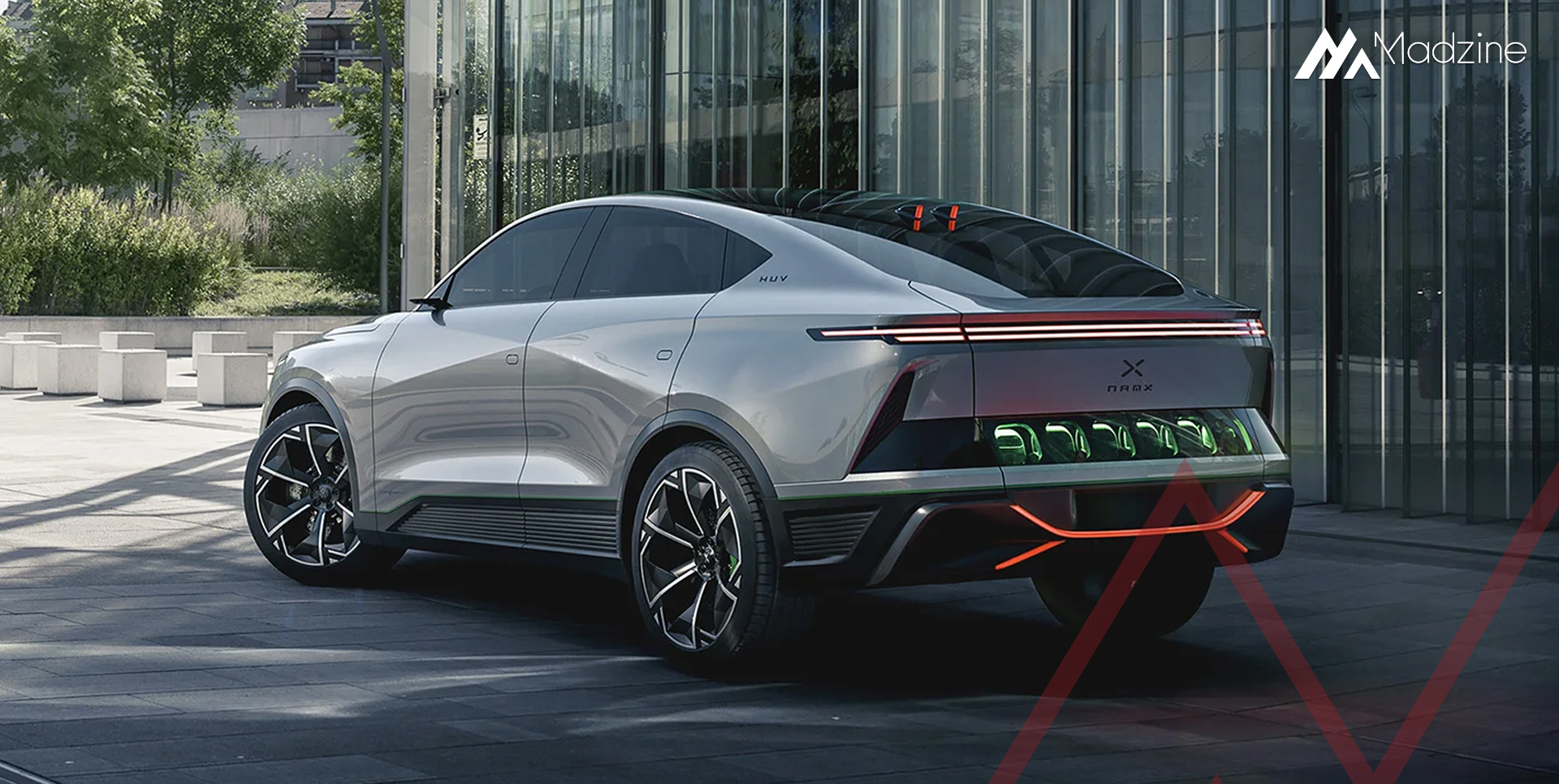
In the pursuit of sustainable transportation, a new competitor is emerging: the NamX HUV (Hydrogen Utility Vehicle). This vehicle is attracting attention with its innovative design and promising technology. But can hydrogen-powered cars, such as the NamX, genuinely challenge the dominance of electric vehicles (EVs)?
The NamX HUV: A Game-Changer in the Making?
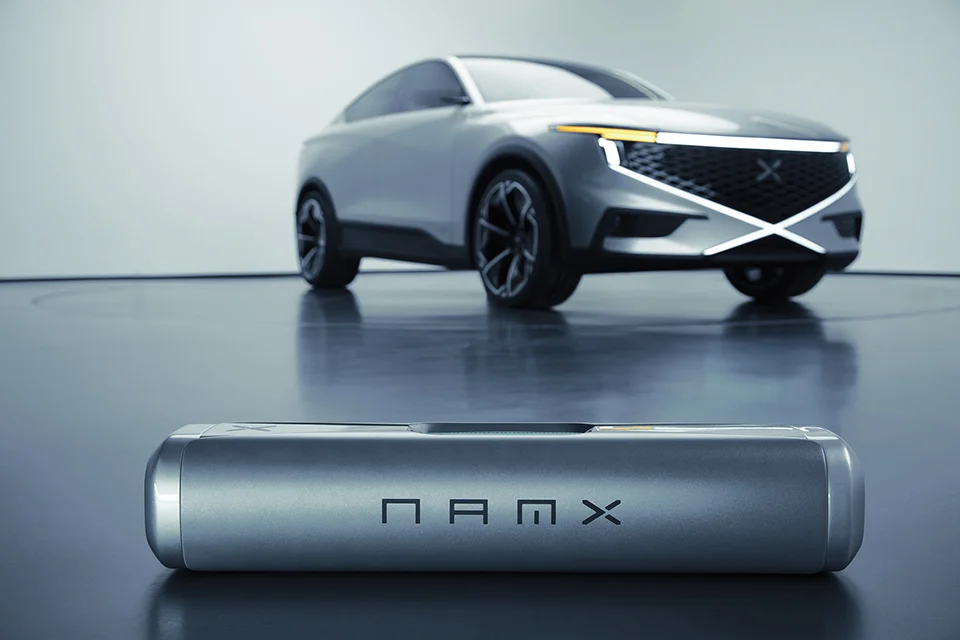
The NamX HUV, set to launch in 2025, is generating buzz with its unique features:
- Designed by Pininfarina, known for creating iconic car designs
- Uses a patented system of removable hydrogen capsules
- Aims for a range of 800 km (497 miles) on a full set of tanks
- Offers two variants: a 300 hp rear-wheel drive and a 550 hp all-wheel drive GTH model
What sets the NamX apart is its innovative approach to hydrogen storage. The vehicle combines a fixed hydrogen tank with six removable capsules, potentially addressing one of the biggest challenges facing hydrogen vehicles: refuelling infrastructure.
The Current State of Hydrogen Cars
While the NamX HUV is still in development, several hydrogen-powered vehicles are already on the market:
- Toyota Mirai
- Hyundai Nexo
- Honda Clarity Fuel Cell (discontinued in 2021)
BMW and Mercedes-Benz are also working on hydrogen models, with BMW planning to bring the iX5 Hydrogen to market by 2030.
Hydrogen vs. Electric: The Pros and Cons
Advantages of Hydrogen Fuel Cell Vehicles
- Longer range: FCEVs typically offer 300-400 miles per tank, compared to 150-350 miles for most EVs.
- Faster refuelling: Hydrogen cars can be refuelled in 5-10 minutes, similar to conventional gasoline vehicles.
- Zero emissions: FCEVs emit only water vapour, making them environmentally friendly at the point of use.
Advantages of Electric Vehicles
- Energy efficiency: EVs convert about 80% of energy to motion, compared to 40% for FCEVs.
- Lower operating costs: Electricity is generally cheaper than hydrogen fuel.
- Established infrastructure: There’s a more extensive network of charging stations for EVs.
Barriers to Hydrogen Car Adoption
Despite their potential, hydrogen cars face significant challenges:
- Limited refuelling infrastructure: There are fewer than 80 hydrogen refuelling stations in the United States, mostly concentrated in California.
- High production costs: Both the vehicles and hydrogen fuel are currently more expensive than their electric counterparts.
- Energy-intensive hydrogen production: Most hydrogen is still produced using fossil fuels, which impacts overall emissions.
- Safety concerns: Storing and transporting hydrogen safely requires complex engineering and materials.
The Road Ahead: Can Hydrogen Cars Compete?
While hydrogen technology shows promise, it faces an uphill battle against the momentum of electric vehicles. For hydrogen cars to succeed, several key factors need to align:
- Significant investment in refuelling infrastructure
- Advancements in green hydrogen production
- Reduction in vehicle and fuel costs
- Supportive government policies and incentives
The NamX HUV and other innovative hydrogen vehicles could play a crucial role in overcoming these challenges. However, both hydrogen and electric vehicles will likely coexist in the future, each serving different niches in the transportation ecosystem.
As we move towards a zero-emission future, the competition between hydrogen and electric vehicles will drive innovation and push the boundaries of sustainable transportation. While EVs currently have the lead, the race is far from over. The future of mobility may well be a diverse mix of technologies, with hydrogen playing a significant role alongside battery electric vehicles.