












Pakistan’s Economy: Way From Challenges To Opportunities
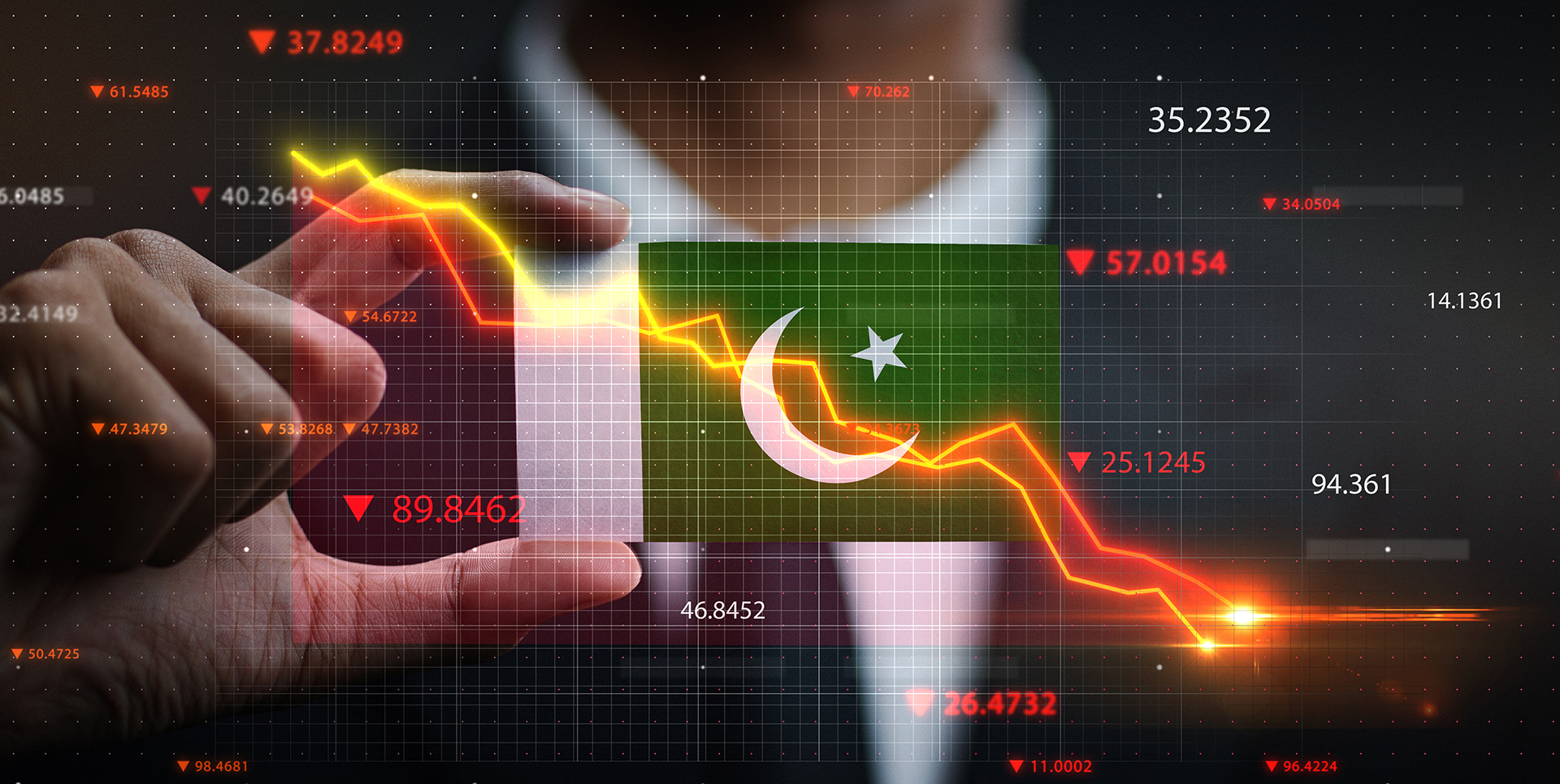
Pakistan’s economy stands at a crossroads, facing significant challenges but also opportunities for growth and development.
Economic Overview
Pakistan’s economic performance in recent years has been marked by a combination of robust potential and persistent challenges. The country’s GDP growth has fluctuated, influenced by both domestic and international factors. As of the latest reports, Pakistan’s GDP growth rate has been hovering around 2-3%, significantly below the target set by the government.
The agricultural sector, which contributes approximately 20% to the GDP and employs nearly 40% of the labor force, remains a critical component of the economy. However, this sector faces issues such as water scarcity, outdated farming techniques, and inconsistent government policies. These challenges have led to suboptimal productivity, which in turn affects the overall economic output.
On the industrial front, Pakistan’s manufacturing sector has shown resilience, particularly in textiles, which is the backbone of the country’s exports. However, the sector is also grappling with challenges such as energy shortages, high input costs, and outdated infrastructure.
Despite these issues, companies like Nishat Mills and Gul Ahmed have managed to maintain their positions as leaders in the textile industry, although their profit margins have been under pressure due to increasing competition and rising costs.
Foreign Direct Investment and CPEC
Foreign Direct Investment (FDI) has been a significant driver of economic growth in Pakistan, although it has experienced fluctuations. The China-Pakistan Economic Corridor (CPEC), a flagship project under China’s Belt and Road Initiative, has been a game-changer for Pakistan’s infrastructure development.
The project has attracted substantial Chinese investment, particularly in energy and infrastructure sectors, which has helped alleviate some of the country’s chronic power shortages.
However, the heavy reliance on Chinese loans and investments has raised concerns about Pakistan’s debt sustainability. The country’s external debt has surged to alarming levels, with debt servicing becoming a significant portion of the national budget.
Companies involved in CPEC projects, such as Pakistan State Oil and Pakistan Railways, have benefited from the influx of capital, but the long-term economic impact remains a subject of debate.
Banking and Financial Sector
Pakistan’s banking sector has shown resilience despite the economic challenges. The sector is well-capitalized, with a capital adequacy ratio above the regulatory requirement. Major banks like Habib Bank Limited (HBL) and United Bank Limited (UBL) have managed to maintain profitability, although the sector faces risks from non-performing loans (NPLs), which have been rising due to the economic slowdown.
The State Bank of Pakistan (SBP) has implemented several measures to stabilize the financial sector, including monetary easing and regulatory support. These measures have provided temporary relief to businesses affected by the COVID-19 pandemic and the subsequent economic downturn.
However, the sector’s long-term stability will depend on the overall health of the economy and the effectiveness of the government’s economic policies.
Energy Sector: A Double-Edged Sword
The energy sector in Pakistan has been a focal point of both investment and controversy. On one hand, CPEC-related energy projects have significantly improved the country’s power generation capacity. On the other hand, the sector is plagued by inefficiencies, including transmission losses, circular debt, and reliance on imported fuel.
Companies like K-Electric and Sui Southern Gas Company have been at the center of the energy debate. While these companies have expanded their operations and improved service delivery in some areas, they have also been criticized for poor management and frequent power outages, particularly during peak demand seasons.
Trade and Export Performance
Pakistan’s trade balance has been a cause for concern, with imports consistently outpacing exports. The country’s export base is narrow and heavily reliant on textiles, which account for more than 60% of total exports. Despite efforts to diversify the export portfolio, sectors like agriculture and IT have not yet realized their full potential.
The devaluation of the Pakistani Rupee, coupled with high inflation, has made imports more expensive, further widening the trade deficit. The government has introduced various incentives to boost exports, including tax rebates and subsidies for exporters.
However, structural issues such as high production costs and lack of innovation continue to hinder the country’s export competitiveness.
Agricultural Sector: A Pillar of the Economy
Agriculture remains a vital part of Pakistan’s economy, contributing significantly to both GDP and employment. However, the sector faces several challenges, including water scarcity, outdated farming techniques, and inconsistent government policies.
The government’s efforts to modernize agriculture through initiatives like the Prime Minister’s Agriculture Emergency Programme have had limited success due to poor implementation and lack of coordination among various stakeholders.
Companies like Fauji Fertilizer and Engro Fertilizers play a crucial role in supporting the agricultural sector by providing essential inputs like fertilizers. However, these companies also face challenges such as fluctuating demand, regulatory hurdles, and competition from imported products.
The sector’s future growth will depend on the successful implementation of reforms aimed at improving productivity, ensuring water security, and enhancing value-added production.
Challenges and the Way Forward
Pakistan’s economy is at a critical juncture, facing a multitude of challenges that require comprehensive and coordinated policy responses. The government has undertaken several initiatives to address these issues, including fiscal consolidation, structural reforms, and efforts to improve the ease of doing business.
However, the success of these initiatives will depend on political stability, effective governance, and the ability to mobilize domestic and foreign resources. Key areas that need urgent attention include improving tax collection, reducing the fiscal deficit, managing public debt, and promoting export diversification.
Moreover, the role of the private sector cannot be overstated. Encouraging private investment, fostering innovation, and enhancing productivity across various sectors will be crucial for sustainable economic growth. The government must also focus on improving human capital through investments in education, healthcare, and skills development.
Pakistan can navigate its way through these challenges and achieve sustainable economic growth. The future of the economy will depend on the collective efforts of the government, private sector, and civil society to build a resilient and prosperous Pakistan.