
Friday, April 24 2026

In a country where watching a YouTube video can feel like waiting for a letter by mail, Pakistan’s flirtation with Elon Musk’s Starlink promises to be either a game-changing romance or an expensive disappointment. As government officials paint rosy pictures of “low-priced” internet and imminent technological transformation, the reality on the ground tells a more nuanced story.

Is Starlink the Answer to Pakistan’s Internet Woes?

Minister of State for IT, Shaza Fatima, is leading the charge to bring Starlink’s satellite internet to Pakistan, orchestrating meetings with an alphabet soup of agencies – SUPARCO, PTA, and the Space Activities Regulatory Board. While the bureaucratic wheels turn slowly, Pakistan currently languishes at a disappointing 100th place out of 111 countries in mobile internet speeds. So much for that “low-priced” internet boast.

Yet, there’s genuine reason for optimism. The government’s commitment to developing a comprehensive regulatory framework for Low Earth Orbit (LEO) satellite technology signals a rare forward-thinking approach. The registration of Starlink with Pakistan’s Securities and Exchange Commission marks a concrete first step, not just another PowerPoint promise.

Elon Musk's tweet on Starlink in Pakistan

However, let’s not forget Pakistan’s complicated relationship with internet freedom. While officials discuss technological advancement, social media platforms like X (formerly Twitter) face periodic restrictions, and mysterious “submarine cable faults” continue to plague internet speeds. The government’s track record raises valid questions about whether Starlink’s potential will be fully unleashed or tangled in red tape and restrictions.

The decision to hire international consultants for the licensing process suggests officials recognize they can’t go it alone. This humility might be the project’s saving grace, potentially preventing the regulatory framework from becoming another well-intentioned but impractical policy document gathering dust in Islamabad.

For a nation ranked 141st out of 158 countries in broadband speeds, Starlink represents more than just another internet service provider it’s a potential leap into the digital fast lane. But as Pakistan balances between technological ambition and regulatory caution, the key question remains: Will this be the moment Pakistan finally embraces the internet’s full potential, or will old habits die hard?

The coming months will reveal whether Pakistan can transform from a digital tortoise into a technological hare. With Elon Musk waiting in the wings and a nation of internet users hoping for better connectivity, the stakes couldn’t be higher. One thing’s certain – Pakistan’s internet landscape is about to change. Whether that change will be revolutionary or just another footnote in the country’s digital journey remains to be seen.

Previous

Did Telenor's WOOHOO Campaign Win The Best Worst Campaign?

Next

Unlocking Creativity Through Intrinsic Motivation and Autonomy

About Author

Nizam Khaskheli

The author is a staff member and can be reached at nizam@madzine.pk

Leave a Reply

Your email address will not be published. Required fields are marked *

Check Also

WIDGETS ON SIDE PANEL

Don’t Miss

SILENCE In PR Crisis Is Not A Strategy. It’s A Brand Suicide.

Editorial

There is an unspoken playbook in Pakistani brand management that everyone follows without writing it down. When a crisis hits – like a labor issue, product failure, social media backlash, or an employee speaking out – the usual reaction is to say nothing. They call legal teams and PR agencies, try to kill the story, […]

Pakistan Opens Door to Crypto, With Both Eyes Open

Business Desk

For years, Pakistan’s banking system treated crypto like a contagion. That officially changed on April 14, 2026. The State Bank of Pakistan issued BPRD Circular Letter No. 10 of 2026 today, effectively replacing the 2018 blanket prohibition on virtual currencies with a structured, compliance-heavy framework that allows banks to work with licensed crypto companies for […]

Jahan Khwab, Wahan HBL And You Can Actually Believe It

Editorial

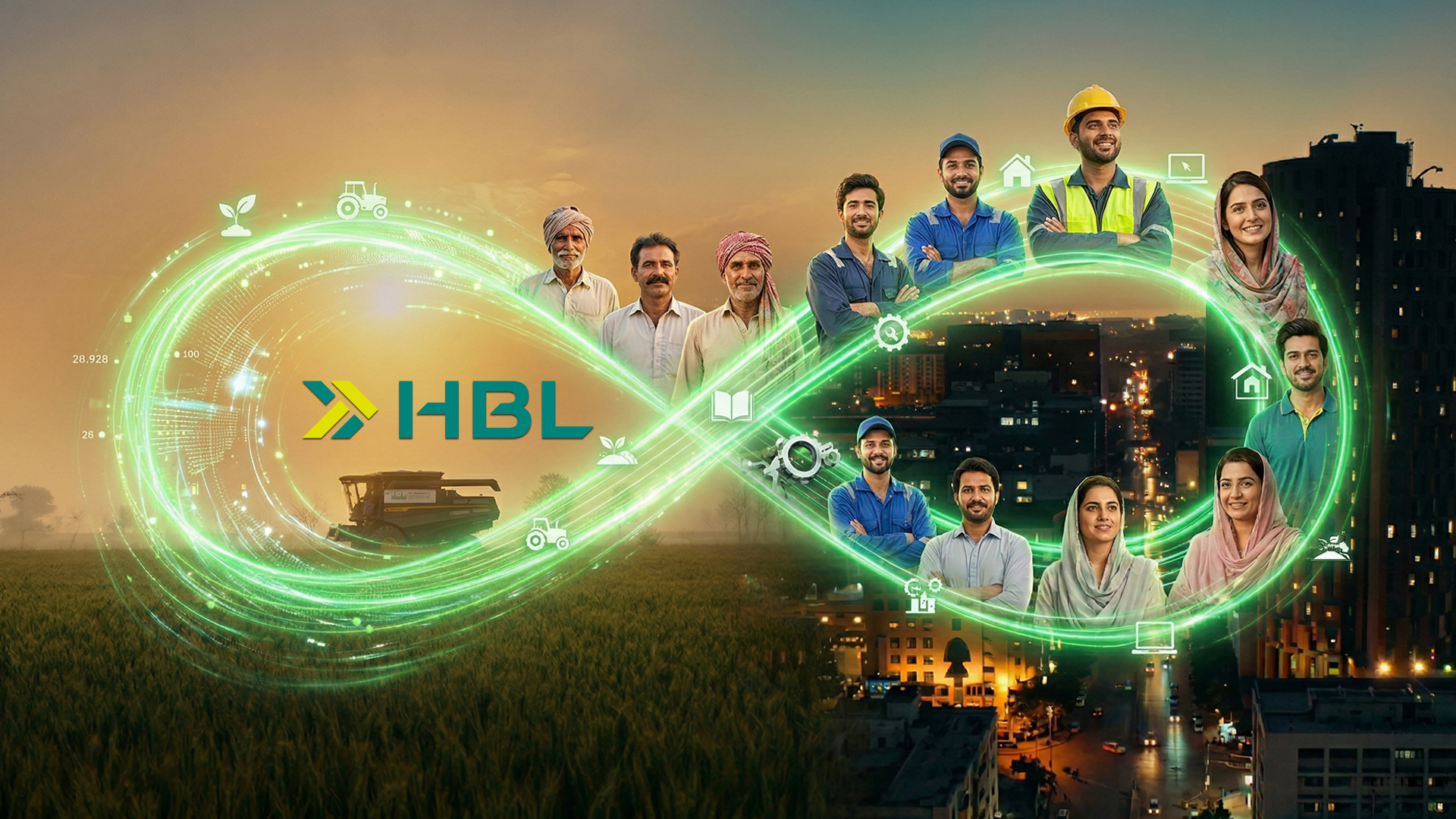
HBL is Pakistan’s largest bank by almost every metric that matters: assets, branch network, international presence, and retail penetration. What it has historically struggled with is something that balance sheets cannot measure: emotional relevance. For most of its existence, HBL has communicated as a bank communicates products, rates, reach, and reliability. Competent positioning for an […]

Pakistan’s Brand Loyalty Index Study

M. Ruhayl Rehmani

Pakistan has no official Brand Loyalty Index. No YouGov BrandIndex. No Kantar BrandZ Pakistan edition. No nationally published, annually updated instrument that tells marketers which brands are actually winning repeat purchase, emotional attachment, and switching resistance across the country’s 240 million consumers. What exists instead is a fragmented picture assembled from a Nielsen consumer survey […]

Finmoney

Fintech Groups Compete To Build Global Platforms For Migrant Finance

Web Desk

As remittances approach $1tn annually, digital payment companies are expanding beyond transfers into cross-border financial ecosystems. Global remittances have quietly become one of the largest financial flows in the world. Each year, migrant workers send hundreds of billions of dollars to families and communities across developing economies. According to migration and financial market data, global […]

Ai image of people celebrating Basant and are happy

Basant in Lahore: Satisfaction, Participation, Spend Survey Report

Kashif Hafeez

The Majority of Lahoris Express Satisfaction with the Punjab Government’s Safety Measures During Basant this year Most Lahore residents expressed satisfaction with the Punjab Government’s safety and security measures implemented during the Basant celebrations, held from 6th February to late into the night on 8th February. According to a telephonic survey conducted by PulseConsultant, around […]