

Tuesday, June 9 2026

Since the strongly contested elections held on February 8 last year, Pakistan’s economy has faced its fair share of challenges. However, data from the past year indicates that the second half of Prime Minister Shehbaz Sharif’s government’s first year has been notably better, marked by easing inflation, lower interest rates, and improved fiscal measures.

Economic Challenges and Early Struggles

Following a turbulent start that saw Pakistan securing a $3 billion Standby Arrangement (SBA) with the International Monetary Fund (IMF), the economy struggled initially. Key economic indicators in January 2024 were near peak levels, reflecting severe challenges in growth and inflation. Yet, from February 2024 onward, the outlook began to brighten.

Signs of Improvement

A combination of technical factors has contributed to the economic recovery:

  • Inflation: Once reaching a record 38% in May 2023, inflation started to ease by March 2024, dropping to 20.7% before eventually moving into the single-digit range. Contributing factors include a high base effect, a downward revision in food-related prices, government measures to curb hoarding, and a significant decline in wheat prices from PKR 12,000 per 100kg bag over a year ago to PKR 8,000 today.
  • Monetary Easing: The State Bank of Pakistan initiated a robust monetary easing cycle from June 2024. Interest rates fell dramatically by 1,000 basis points from 22% to a near three-year low of 12%. Similarly, yields on treasury bills and long-term investment bonds showed substantial declines, signalling improved investor confidence.
  • Fiscal Reforms: The completion of the IMF SBA and the initiation of a new $7 billion program have provided additional fiscal support, contributing to the overall stabilization of the economy.

Ongoing Challenges

Despite these positive trends, significant challenges remain:

  • Industrial Output: Even with reduced interest rates, industrial output has continued to suffer due to the eroded purchasing power of consumers. Persistent inflation has led to soaring utility prices gas prices have surged by 70-80% and electricity by 55-65% over the past eight months primarily driven by cuts in subsidies.
  • Banking Sector Dynamics: The banking sector has shown resilience, with profits remaining high and investments in government securities rising from PKR 25,603 billion in January 2024 to PKR 29,129 billion by January this year. However, recent outflows due to ADR issues and strict government measures on non-filers highlight ongoing concerns.
  • Tax Collection: Efforts to improve tax collection are underway, as the Federal Board of Revenue faces a shortfall exceeding PKR 500 billion in the current fiscal year. A pending bill, which would restrict non-filers from banking transactions and property investments, underscores the government’s commitment to address fiscal imbalances.

What’s ahead?

Analysts are optimistic that continued policy reforms and further interest rate cuts potentially into the single-digit range by December could enhance economic growth. While the industrial sector and utility prices remain areas of concern, the marked improvements in inflation and monetary easing provide a hopeful outlook for Pakistan’s economic recovery.

Previous

Is AI Integration A Risk Without Strong Safeguards?

Next

Paris Host a New Era in AI Leadership

About Author

Business Desk

Business Desk is Madvertising’s design Wizard, transforming ideas into stunning visuals and animations that push creative boundaries. With more than a decade of design experience, he brings his artistic flair and innovative designs ensure every campaign stands out, captivating audiences and making a lasting impact.

Leave a Reply

Your email address will not be published. Required fields are marked *

Check Also

WIDGETS ON SIDE PANEL

Don’t Miss

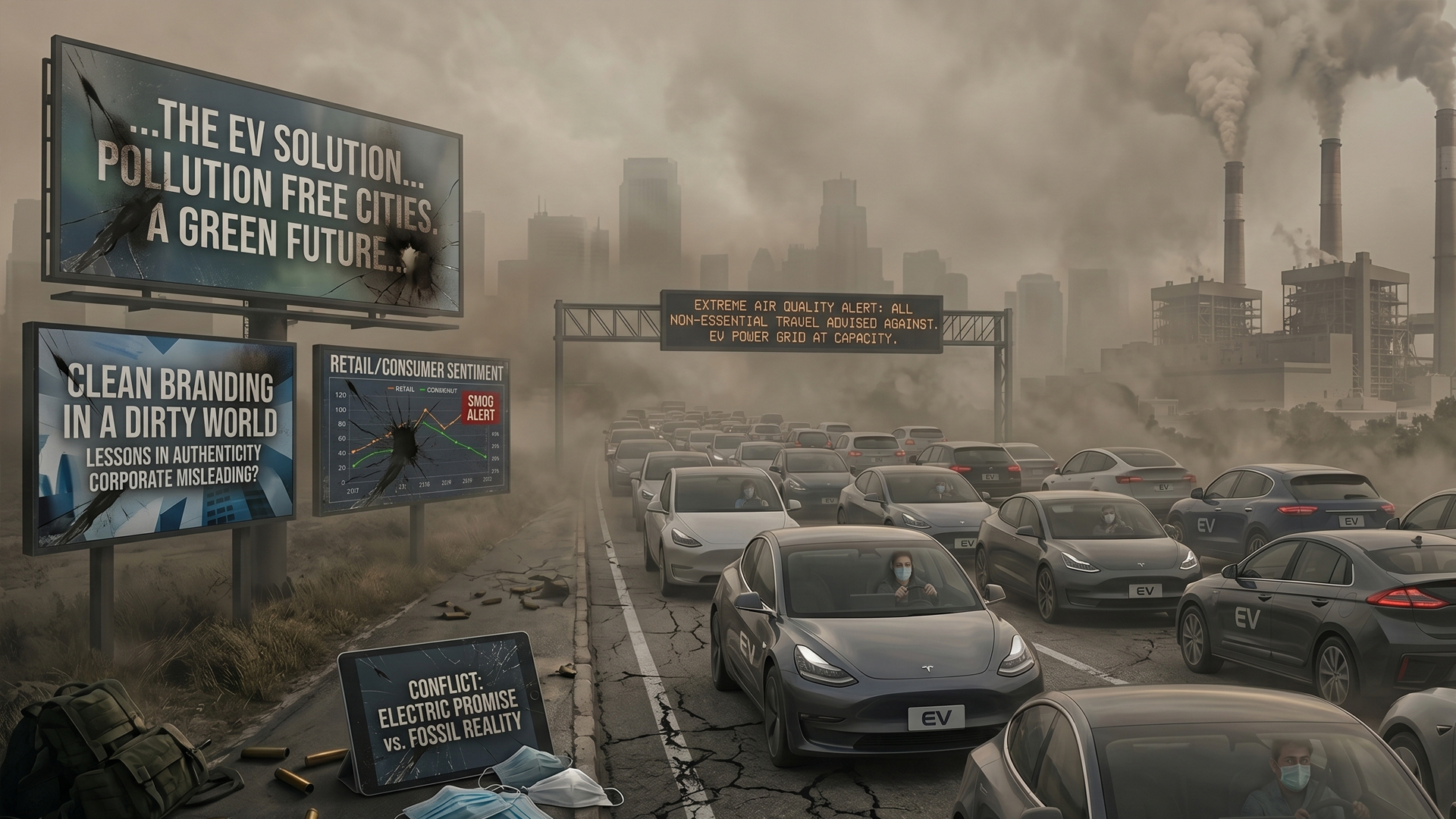
Petrol, Plugs, and Politics: Pakistan’s EV Crossroads

Editorial

Pakistan spends approximately $13 billion annually on petroleum imports. The transport sector alone accounted for 80% of Pakistan’s petroleum consumption in 2024–25. That single statistic renders the EV debate less of an environmental conversation and more of an economic survival question. Yet the path from fossil fuel dependency to electric mobility is where things get […]

Pakistan’s OOH Market Resilience and It’s Digital Reckoning

Danish Ejaz

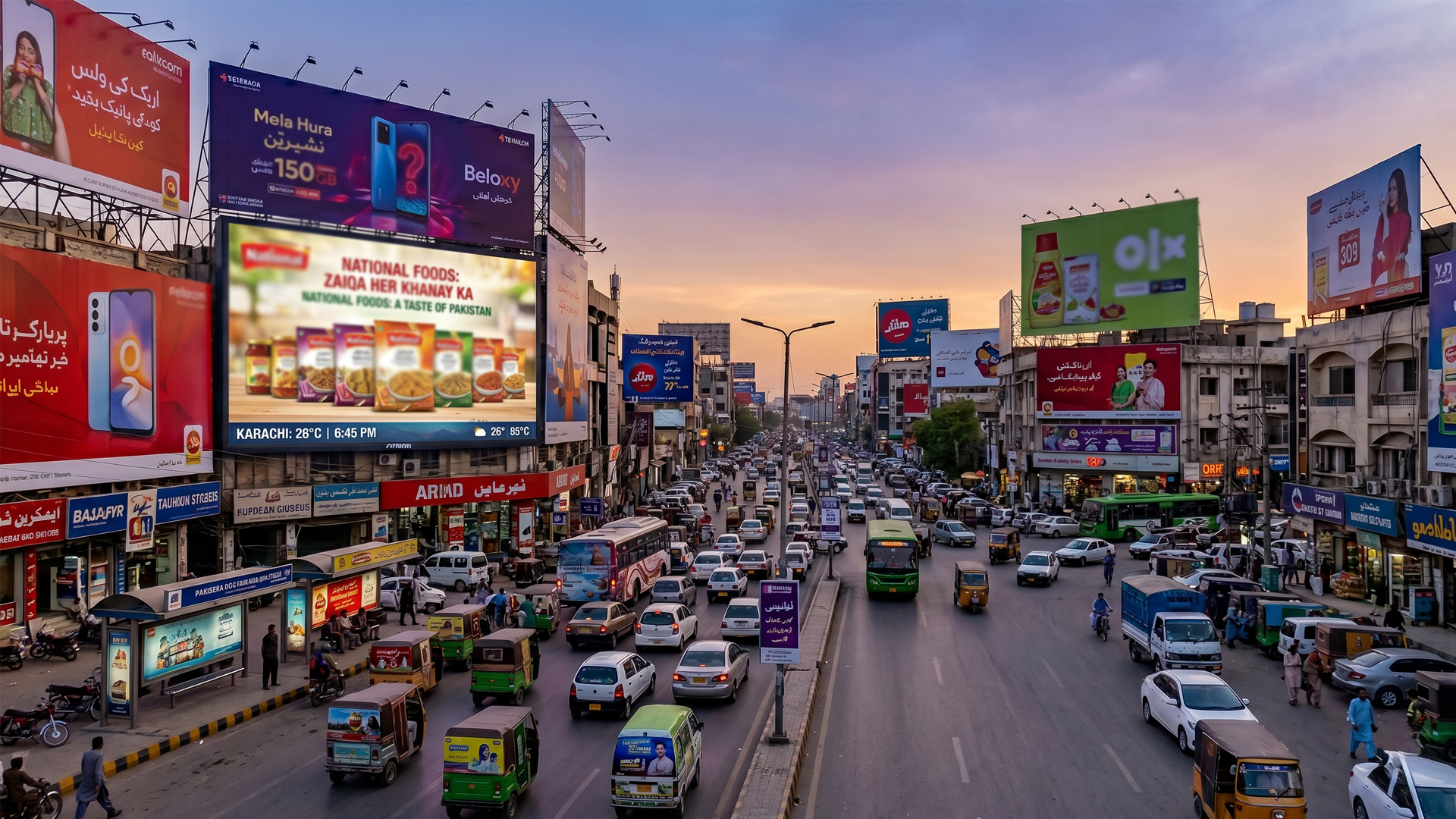
Out-of-home advertising in Pakistan has quietly become one of the most resilient segments in the country’s advertising economy — surviving a pandemic, absorbing inflation, and posting some of the strongest growth figures in traditional media. The numbers tell a story that the industry largely underreports. The Pandemic Dip and the Rebound Pakistan’s total advertising revenue […]

Branding During The Time of Conflict

Kashif Hafeez

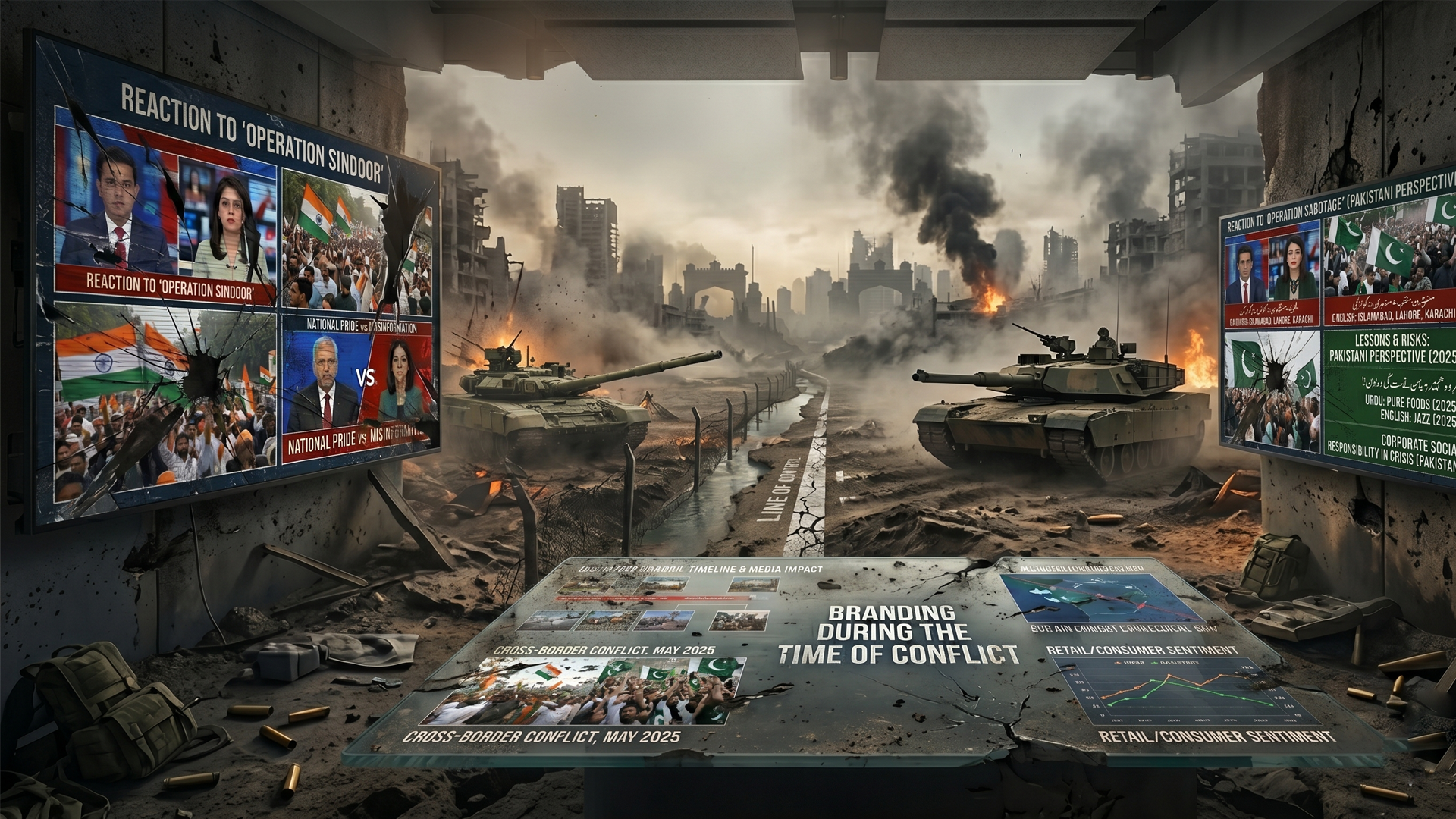
It’s a long historical academic debate about why so many marketing and military terminologies resemble and are inter-changeably used e.g. Brand warfare, goals, targets, objectives, positioning, impact, action, intelligence, strategy, tactical moves, attack strategies (frontal, flank, guerrilla, encirclement & bypass), position strategies (position strategy, contraction strategy, counter-offensive strategy, preemptive defensive strategy, and mobile defensive strategy), […]

SILENCE In PR Crisis Is Not A Strategy. It’s A Brand Suicide.

Editorial

There is an unspoken playbook in Pakistani brand management that everyone follows without writing it down. When a crisis hits – like a labor issue, product failure, social media backlash, or an employee speaking out – the usual reaction is to say nothing. They call legal teams and PR agencies, try to kill the story, […]

Pakistan Opens Door to Crypto, With Both Eyes Open

Business Desk

For years, Pakistan’s banking system treated crypto like a contagion. That officially changed on April 14, 2026. The State Bank of Pakistan issued BPRD Circular Letter No. 10 of 2026 today, effectively replacing the 2018 blanket prohibition on virtual currencies with a structured, compliance-heavy framework that allows banks to work with licensed crypto companies for […]

Jahan Khwab, Wahan HBL And You Can Actually Believe It

Editorial

HBL is Pakistan’s largest bank by almost every metric that matters: assets, branch network, international presence, and retail penetration. What it has historically struggled with is something that balance sheets cannot measure: emotional relevance. For most of its existence, HBL has communicated as a bank communicates products, rates, reach, and reliability. Competent positioning for an […]